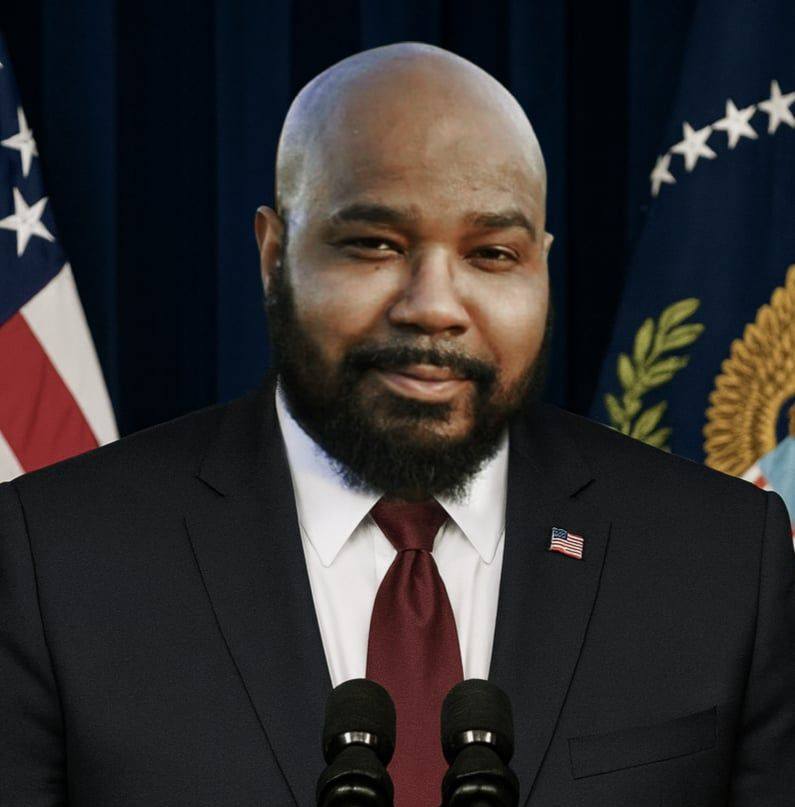
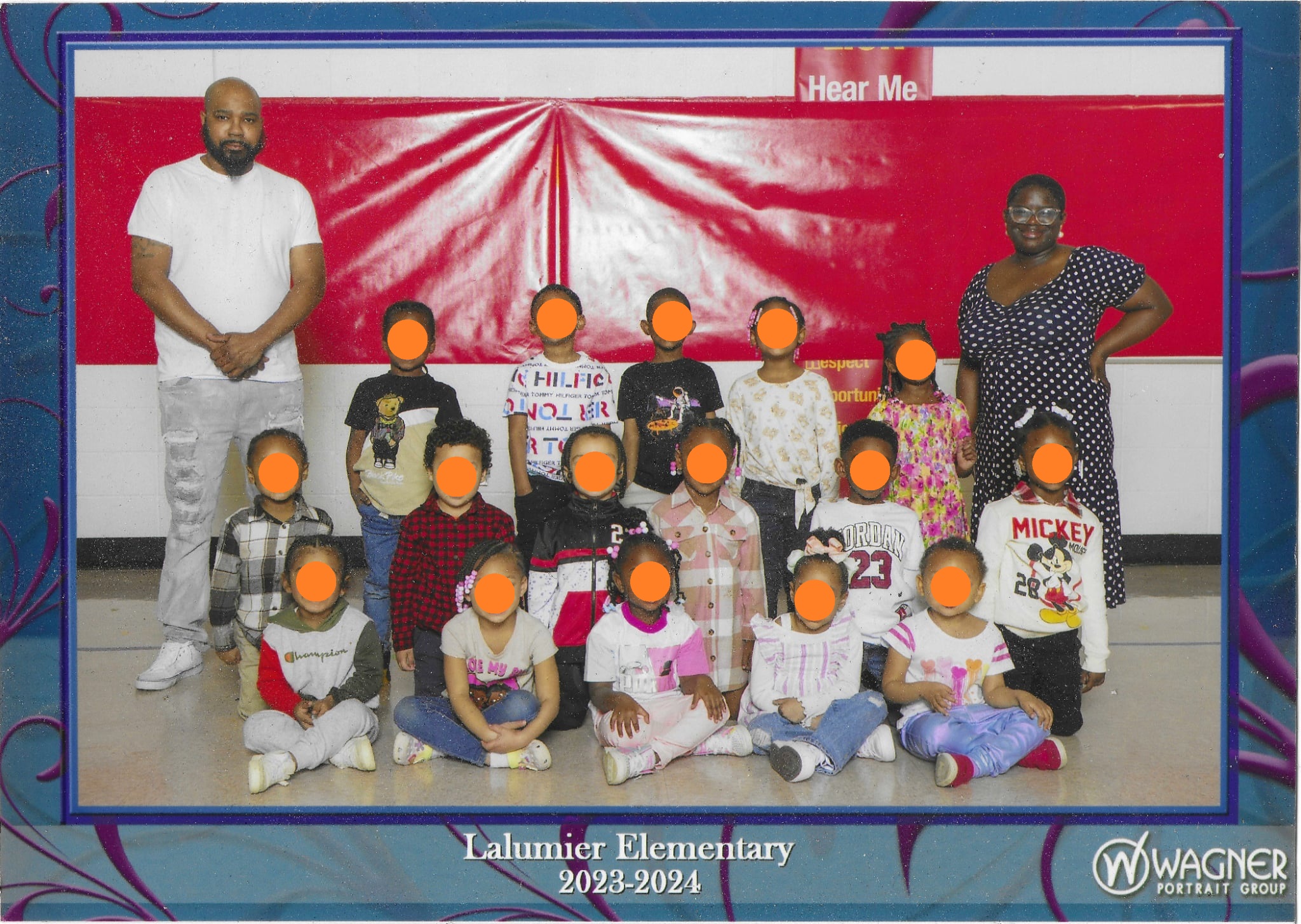
Education reform does not begin in boardrooms. It begins when people decide they are no longer going to accept silence.
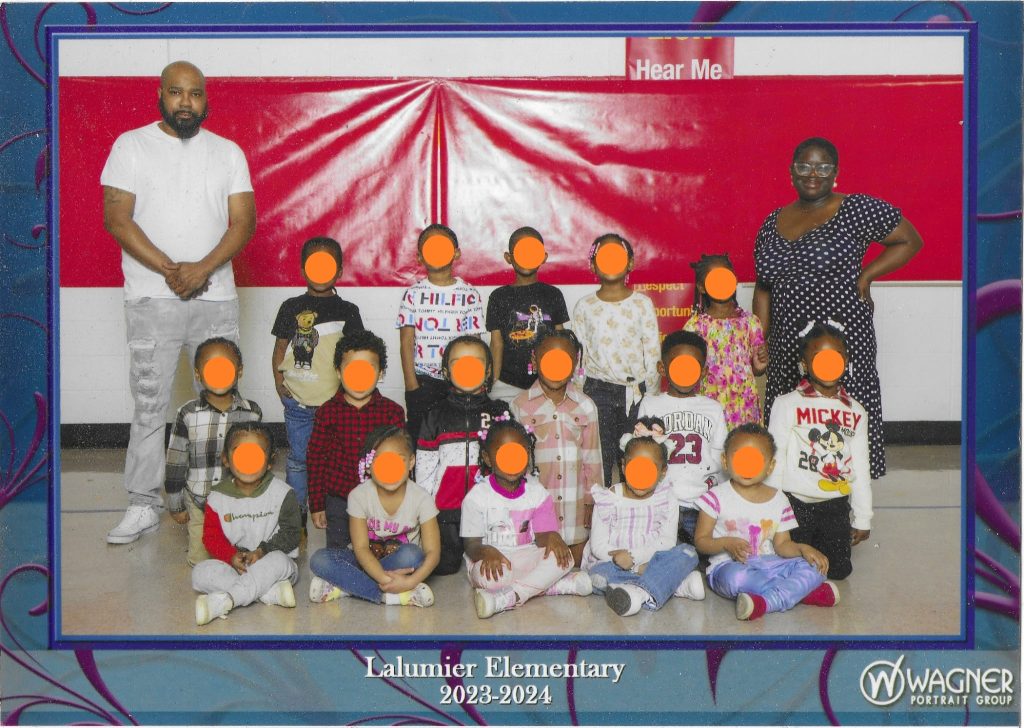
My work alongside the Cahokia Federation of Teachers was not about standing on the outside and commenting. It was about stepping into the situation, listening to educators, understanding what was happening behind closed doors, and helping bring those issues into the light. Contracts, communication, and conditions within the district were not aligning with what our children and teachers deserved. That is where the work began. Not with assumptions, but with direct engagement and real conversations that exposed the truth.
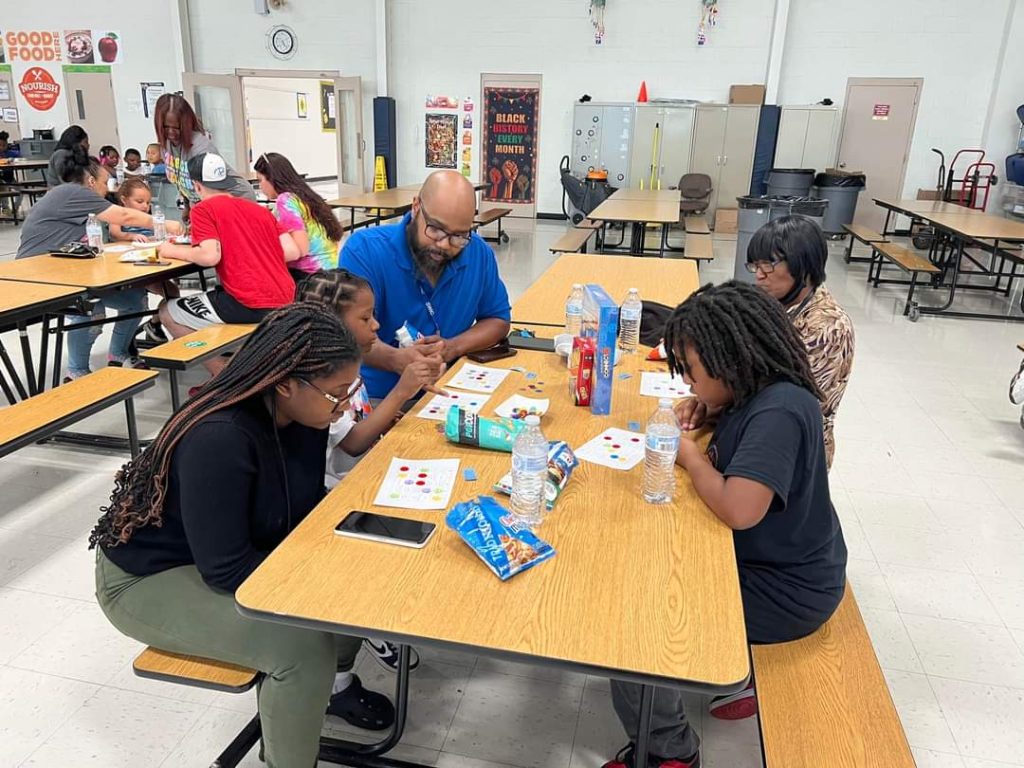
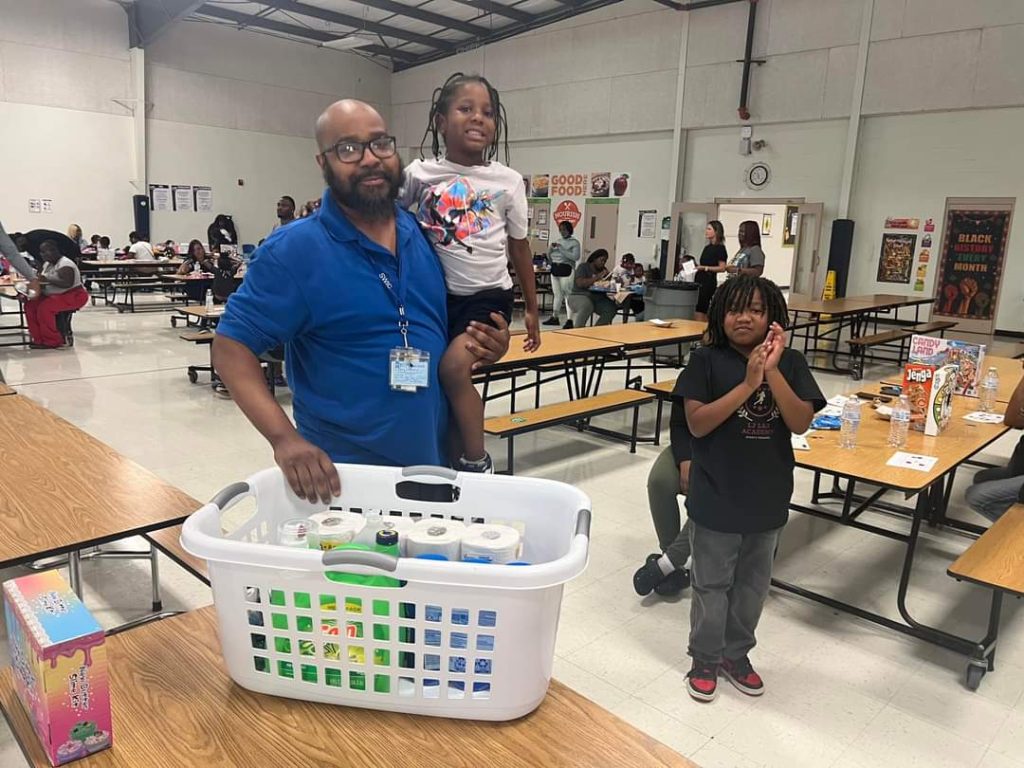
“When those closest to the problem find their voice, and the community stands with them, reform is no longer a discussion. It becomes a demand.” – Corey Van Dickerson

Working with the teachers gave insight that the public was not seeing. Delays, breakdowns in communication, and decisions being made without proper alignment were affecting not just staff, but the entire structure of the schools. This was not just about contracts. It was about respect, stability, and the future of education in the community.
By bringing attention to these issues, organizing conversations, and pushing for transparency, we shifted the narrative. What was once kept internal became public awareness. And once the community became aware, pressure followed. That pressure forced responses, and those responses opened the door for change.
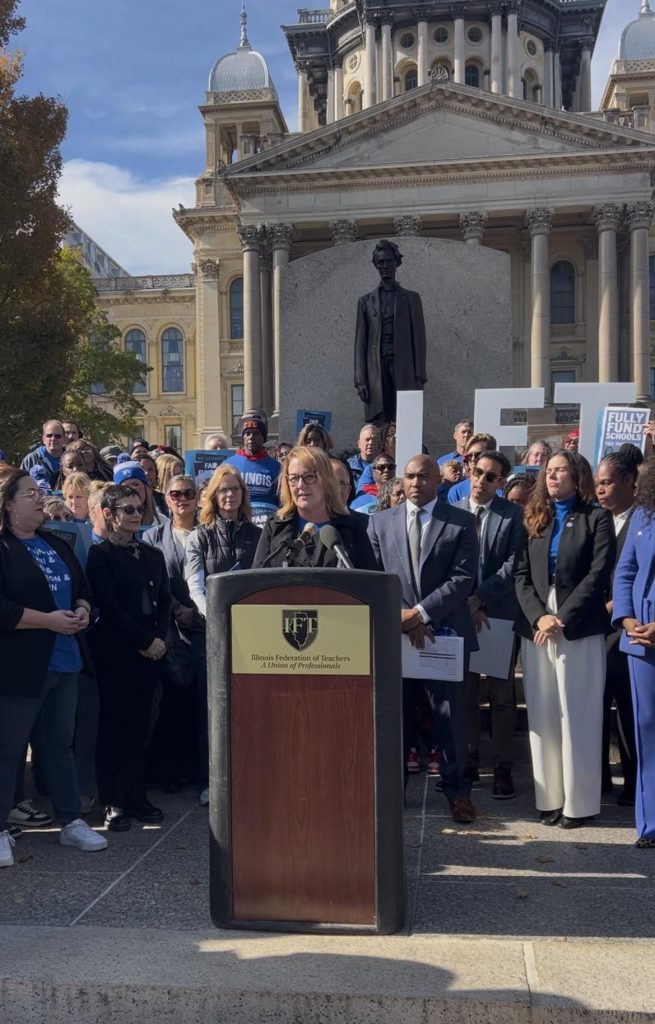

Some will say that education issues should be handled quietly. That these matters belong behind closed doors. But when silence leads to dysfunction, and dysfunction affects children, silence is no longer an option.
The question is not whether the community should be involved. The question is why it wasn’t sooner. Teachers, parents, and residents all play a role in shaping the direction of education. When those voices come together, they create accountability that cannot be ignored. This is not about conflict. It is about correction. It is about making sure that decisions reflect the needs of the students, not the comfort of the system.
Wrapping Up with Key Insights
Education reform requires more than policy. It requires participation.
The work with the Cahokia Federation of Teachers showed that when people organize, communicate, and stand on truth, change becomes possible. Transparency increases. Leadership is forced to respond. And the system begins to shift in the direction it was always supposed to go.
The path forward is clear. Stay engaged. Support educators. Ask questions. Demand answers. Because the future of the community is sitting in those classrooms, and they deserve a system that works for them.
This is not about watching education fail. This is about stepping in and making sure it succeeds.