RIFL Act Explained: What It Means for Cahokia Heights, East St. Louis, and Illinois Gun Laws
By Corey Van Dickerson Sr. | Cahokia Source
This section highlights your company’s mission and values, offering a concise overview of its goals and purpose. It provides insights into the vision that guides your business decisions and direction.
The RIFL Act could reshape Cahokia Heights and East St. Louis gun laws by shifting the cost of gun violence from taxpayers to manufacturers. Here’s what it means.
Cahokia Heights gun laws, East St. Louis gun laws, Illinois gun laws, RIFL Act Illinois, gun violence cost Illinois, firearm legislation Illinois.
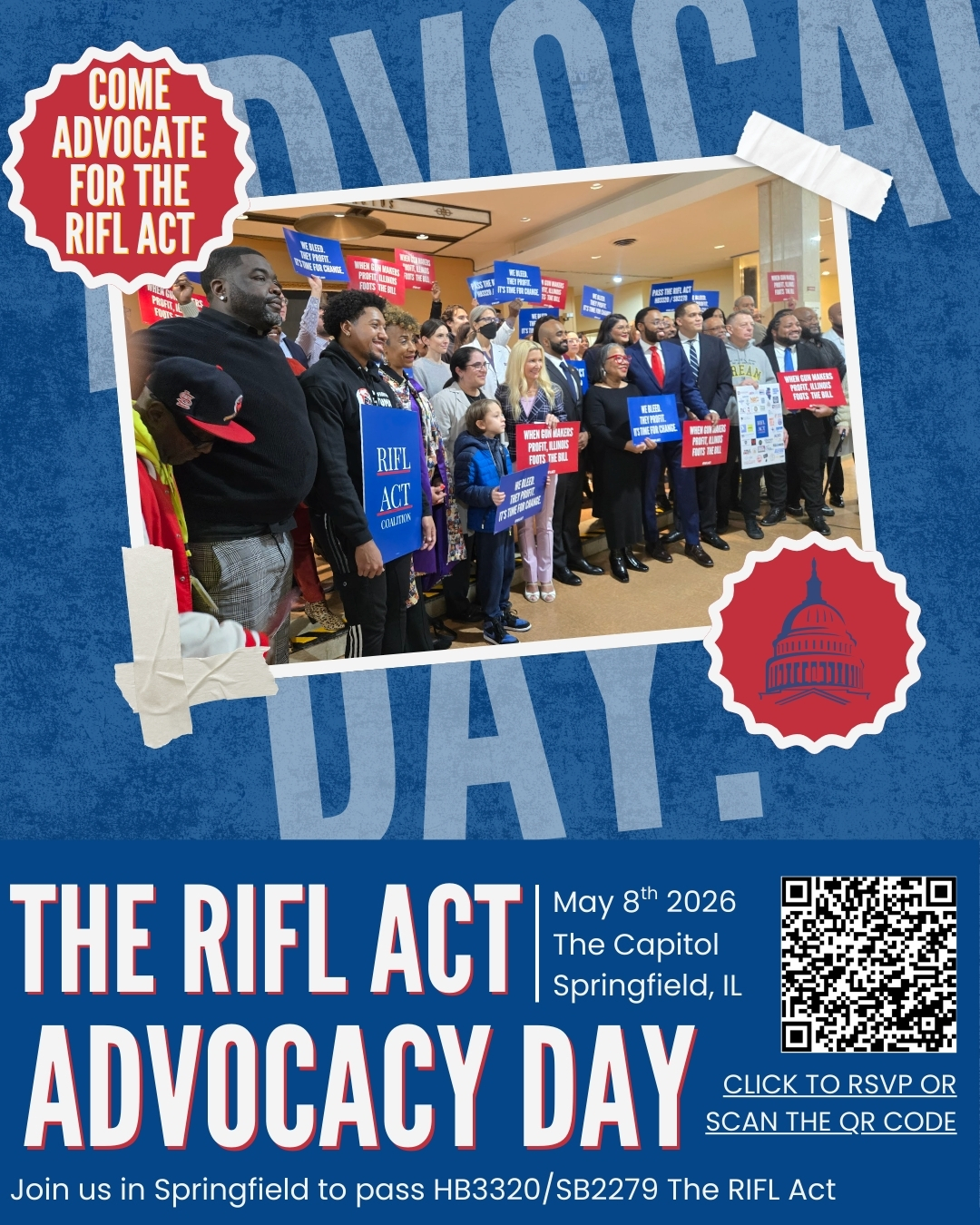
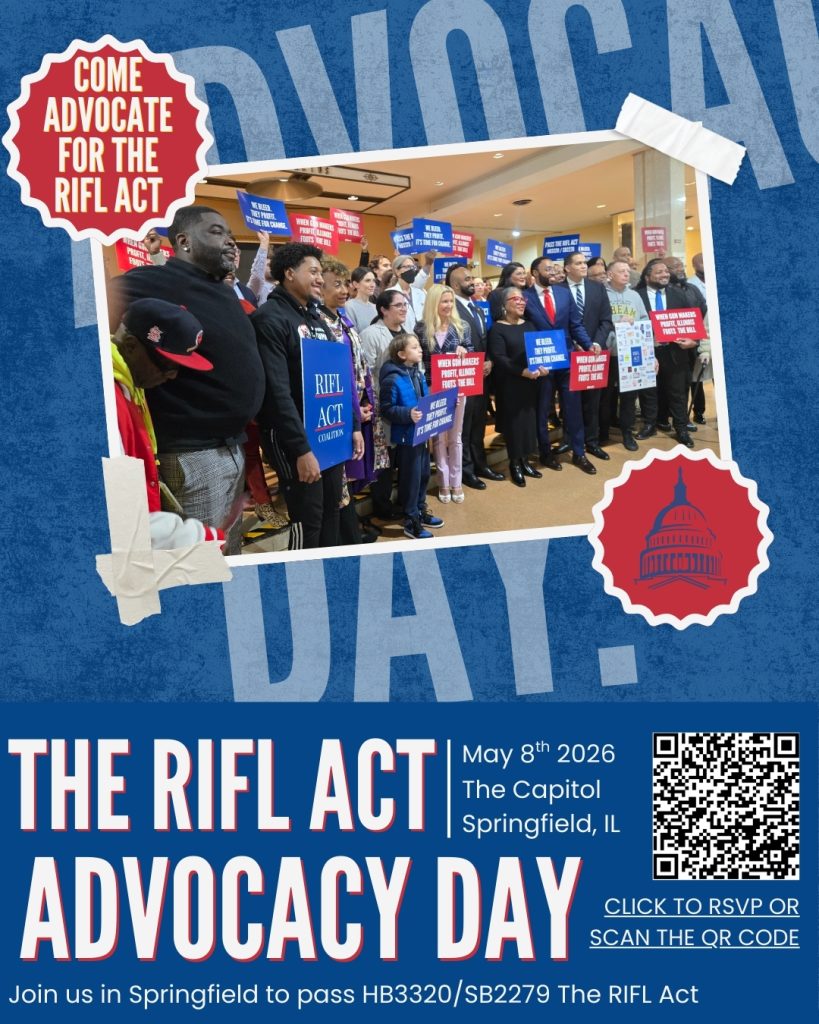
🔴 RIFL Act Advocacy Day Update
The movement behind the RIFL Act is growing, and organizers are preparing for a major push at the Illinois Capitol.
Key Dates & Events
📅 Advocacy Day: May 8
📍 Illinois State Capitol
Advocacy Day Itinerary
- 11:00 AM – Arrival at Capitol Steps
- ~11:15 AM – Rally Begins
- 12:00 – 3:00 PM – Legislative Meetings & Rally on the Rail
- Lunch – Provided at the Visitor Center
Transportation
Buses will be available from:
- East St. Louis
- Champaign/Urbana
- Rockford
- Wilmette
- Chicago
- West Garfield Park / Oak Park
Spots are still available for East St. Louis, Champaign/Urbana, and Rockford.
What’s Needed Now
✔ Complete transportation survey:
https://forms.gle/wmi838ubGy53DNtw7
✔ Register for Advocacy Day:
https://secure.numero.ai/signup/RIFL-Act-Advocacy-Day
✔ Invite others — goal is 400 attendees (currently ~270 registered)
✔ Attend training and prepare to engage lawmakers
Illinois Lawmakers Push RIFL Act to Shift Cost of Gun Violence
Illinois lawmakers are advancing new legislation that could reshape how gun violence is handled financially across the state, including in communities like Cahokia Heights and East St. Louis, where the impact is felt the hardest.
The proposed Responsibility in Firearms Legislation (RIFL) Act (HB 3320 / SB 2279) is built on one central idea:
Taxpayers should not carry the cost of gun violence alone.
The Real Cost of Gun Violence in Illinois
Gun violence is not just a public safety issue. It is a financial crisis.
In Illinois, firearm-related incidents generate an estimated $18 to $20 billion every year in costs. These include:
- Emergency medical care
- Law enforcement response
- Court and legal system costs
- Lost wages and productivity
- Long-term community impact
Each year, about 6,700 firearm-related incidents occur across the state, including homicides, suicides, and accidental shootings.
For cities like East St. Louis and Cahokia Heights, these numbers are not abstract. They reflect real lives, real families, and real economic strain.
What the RIFL Act Would Do
The RIFL Act would require firearm manufacturers to share in the cost of gun violence in Illinois.
Here’s how it works:
- Manufacturers must be licensed to sell or distribute firearms in Illinois
- They must contribute to a state fund if their firearms are linked to injuries or deaths
- Contributions are based on how often their products are recovered in incidents
- Illinois State Police would track firearm data to determine responsibility
- Companies that fail to comply could face fines or loss of license
The funds collected would go toward:
- Violence prevention programs
- Victim services
- Youth intervention efforts
- Community safety initiatives
These funds would be managed through the Illinois Department of Human Services Office of Firearm Violence Prevention.
Why Supporters Say This Matters for Cahokia Heights & East St. Louis
Communities like Cahokia Heights and East St. Louis have long carried the weight of violence without equal access to resources.
Supporters argue the RIFL Act would:
- Bring new funding directly into impacted communities
- Strengthen local violence prevention programs
- Reduce long-term economic strain on residents
- Hold industries accountable while protecting lawful gun ownership
This is not about taking rights.
This is about sharing responsibility.
What Are the Concerns?
No bill is perfect, and the RIFL Act is no exception.
Critics raise several concerns:
- Manufacturers may pass costs down to consumers
- Legal challenges could delay implementation
- The bill alone will not stop gun violence
- Poor management of funds could limit effectiveness
These concerns are real and must be addressed through strong oversight and accountability.
A Proven Model for Accountability
Supporters point out that the RIFL Act follows a model already used in other industries.
Systems like:
- Workers’ Compensation
- State Insurance Guaranty Funds
require industries to help cover the cost of harm associated with their operations.
These models have existed for over 100 years and are widely accepted as fair and effective.
Projected Impact on Illinois Communities
Early estimates suggest the RIFL Act could:
- Save Illinois $297 million in the first year
- Save up to $520 million by year three
- Expand funding for prevention programs statewide
For areas like East St. Louis and Cahokia Heights, this could mean more resources on the ground where they are needed most.
The Bottom Line
The RIFL Act is not a perfect solution.
It is not a cure-all.
But it is a step toward fairness.
Right now, communities are paying the price.
This bill asks the question:
Should they continue to carry it alone?
For residents of Cahokia Heights, East St. Louis, and across Illinois, this legislation represents a shift in how responsibility is defined and how solutions are funded.
Leave a Reply