They Built Freedom Here… Now It’s Being Erased
By Corey Van Dickerson Sr.
There is something happening in St. Clair County that people are not talking about enough. And it needs to be said plain.
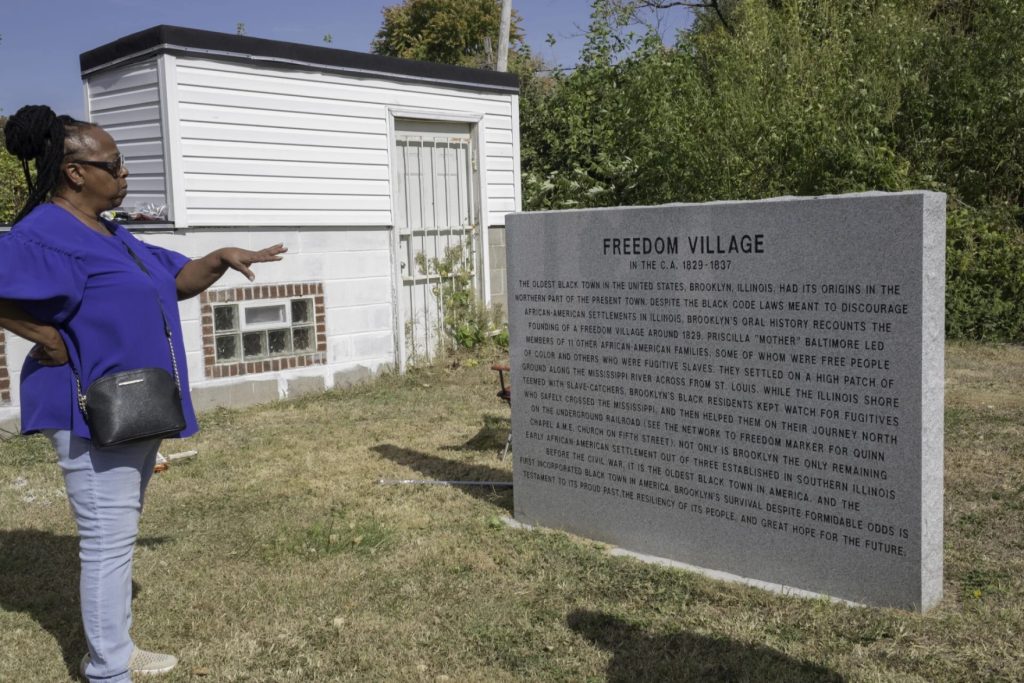
Right here in our region sits one of the most powerful pieces of African American history in this country. Brooklyn, Illinois was not just another town. It was a declaration. It was a stand. It was a place built by people who refused to remain in bondage and chose to build something for themselves.
And now, it is being lost.
A Town Built on Freedom, Not Permission
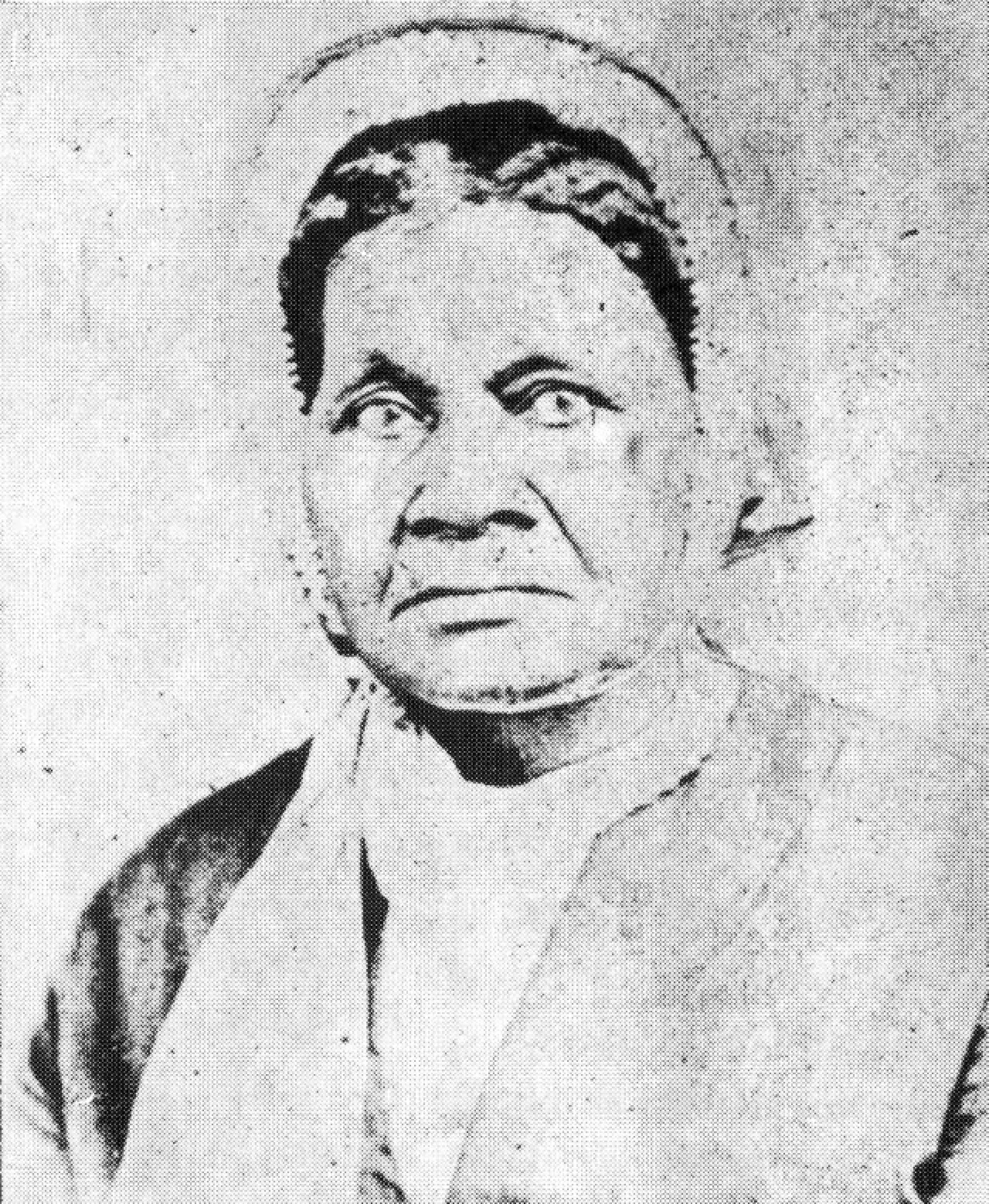
In 1829, a woman named Priscilla Baltimore led eleven Black families out of Missouri into Illinois. That was not a small move. That was courage. That was vision.
They built a community where Black families could live, work, and protect one another. A place where freedom was not an idea, but a reality they created with their own hands.
By 1873, Brooklyn became the first incorporated majority-Black town in the United States.
Let that sit.
Not just history. Leadership.
From Freedom Village to Endangered List
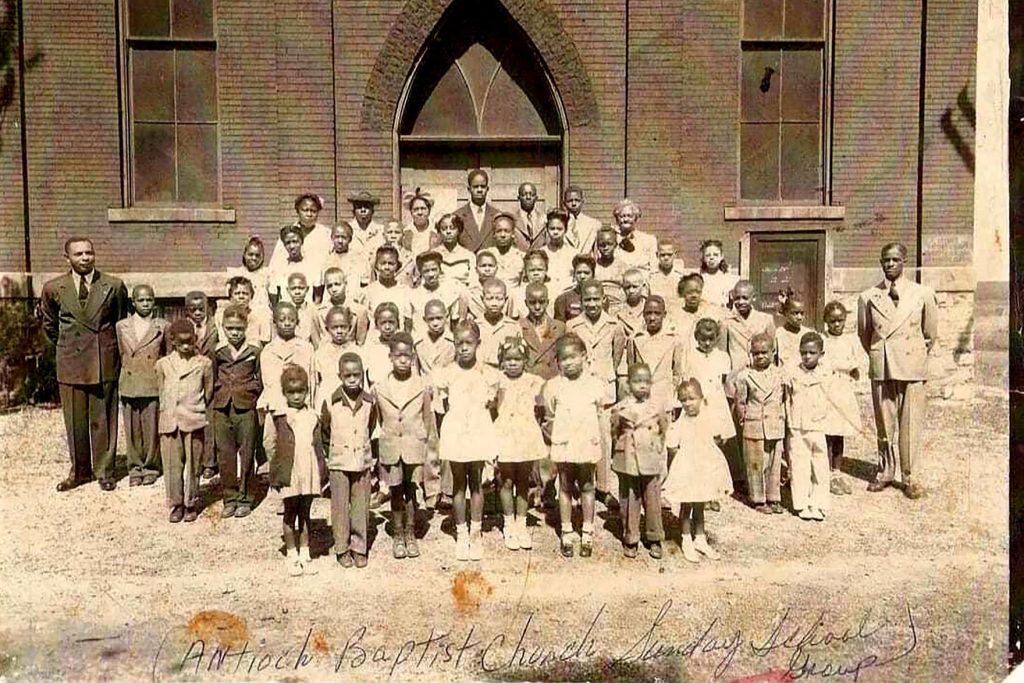
Today, that same town has been placed on Illinois’ endangered list.
Not because the history disappeared.
Not because the story lost value.
But because the support, the investment, and the protection did.
This is what happens when communities are left behind.
You see the signs:
- Population decline
- Limited economy
- Buildings and landmarks disappearing
- Leadership struggles
And over time, what was once strong begins to fade.
The Truth People Avoid
This is not just about one town.
Brooklyn sits in the same corridor as:
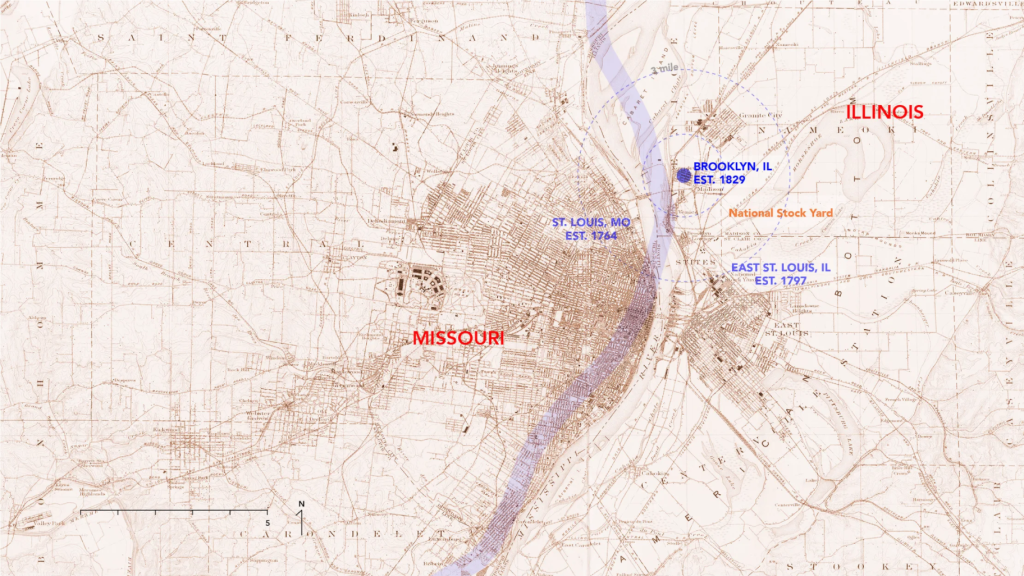
- East St. Louis, Illinois
- Washington Park, Illinois
- Cahokia Heights, Illinois
These are not isolated situations.
This is a pattern.
Communities that were once centers of strength are now facing disinvestment, neglect, and silence. And when that happens long enough, history itself becomes at risk.
“Why This History Was Hidden”
There is a reason many people do not know this history.
Helping enslaved people escape was a crime. A serious one.
That meant no records. No signs. No markers.
Everything had to be hidden.
Even after slavery ended, much of this history was pushed aside. Not because it did not matter, but because it made people uncomfortable. Because it forced the truth to be faced.
Over time, buildings were removed. Land was repurposed. Stories were ignored.
And as the physical evidence disappeared, so did the memory.
“Once the physical location is gone, we tend to forget,” as historians have explained.
But forgetting is not accidental.
It is what happens when history is not protected.
This Was a Network, Not Just One Town
Brooklyn was not standing alone.
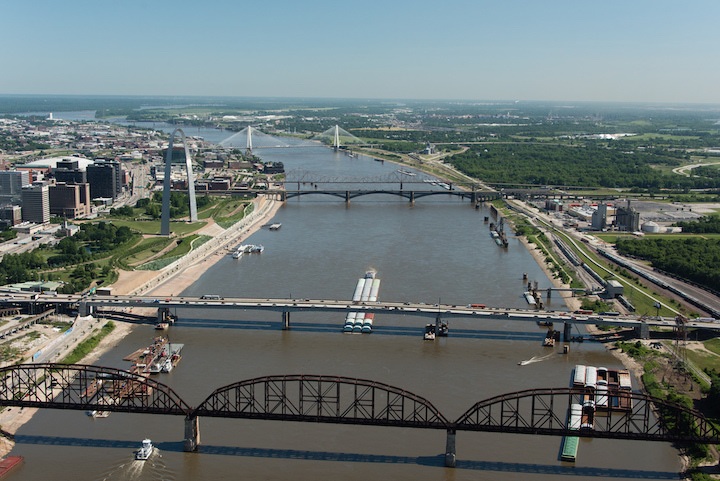
It was part of a larger network that stretched across the Metro East and beyond. People moved from Missouri, through St. Louis, into Illinois, and up toward freedom.
These were organized routes. Planned movements. Coordinated efforts.
And the fact that much of it still remains undocumented is not because it did not happen.
It is because it had to be hidden to survive.
Even today, historians are still uncovering pieces of that story.
That means what we know now… is only part of the truth.
What Was Built… Still Matters
There are still people fighting to preserve what Brooklyn represents. People who understand that this is not just about buildings, but about legacy.
Because when you lose places like Brooklyn, you are not just losing land.
You are losing:
- Stories
- Identity
- Proof of what was built despite oppression
And once that is gone, it is hard to bring back.